I have an 18-pound French Bulldog who loves to be part of everything and has the stamina for about a half mile before he’s done hiking. For years, this meant either leaving him home or carrying him awkwardly in my arms.
A ventilated pet backpack changed everything. He rides comfortably, faces forward to see the trail, and I have both hands free. We’ve done 8-mile hikes together.
The Pet Carrier Backpack Worth Hiking With
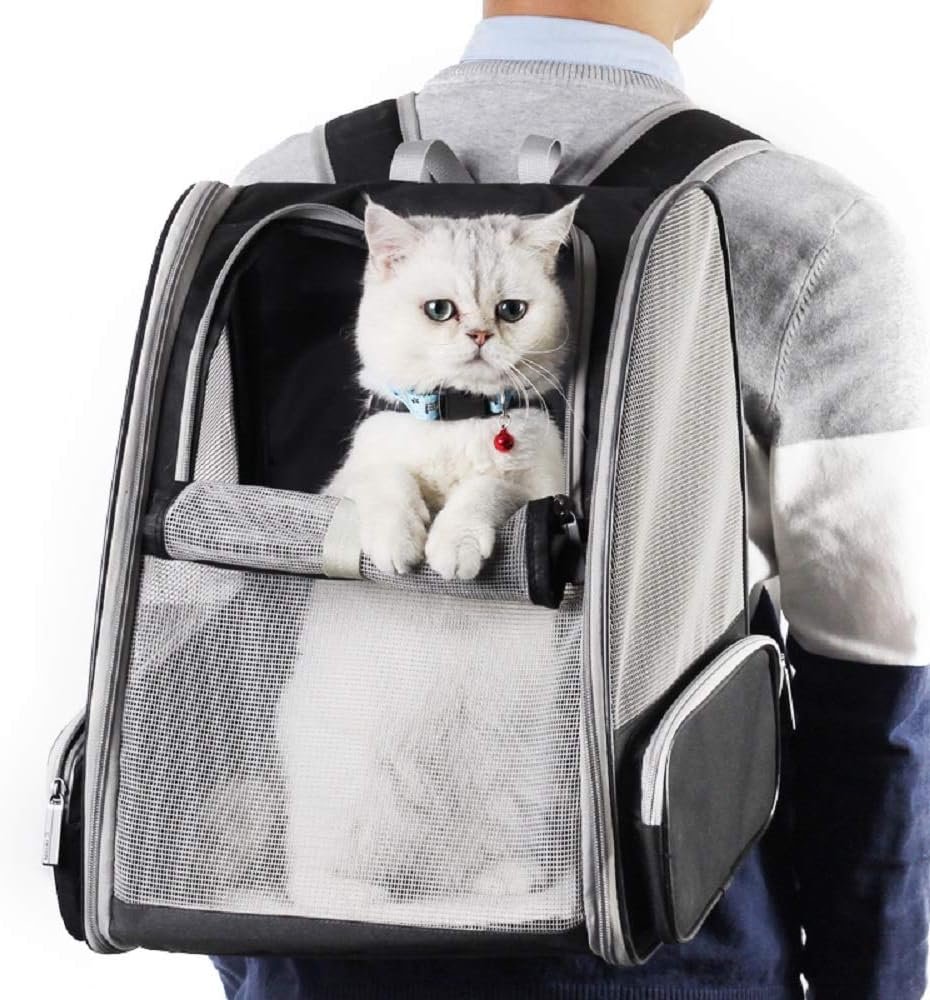
This is one of Amazon’s top-rated ventilated pet carrier backpacks in the $45–$90 range — designed to carry small dogs and cats (typically up to 20 lbs) with full ventilation panels, padded shoulder straps, and stability features for active use.
What makes a hiking-ready pet backpack different:
- Mesh ventilation panels on three or more sides for airflow
- Padded back panel and shoulder straps rated for the pet’s weight plus pack
- Internal leash tether clip to prevent jumping out
- Expandable bubble window on premium models for forward-facing views
- Waist strap and sternum strap for load distribution on longer hikes
- Waterproof base for wet trail conditions
Why Small Dogs Benefit From Being Carried on Longer Trails
This isn’t about laziness — it’s about physiology and safety:
- Small breeds have significantly shorter stride lengths — a 5-mile hike is proportionally much longer for them
- Brachycephalic breeds (bulldogs, pugs) overheat quickly on sustained activity
- Rocky or uneven terrain is harder on small joints than large ones
- Trail hazards — snakes, wildlife, drops — are more dangerous to small animals
- Heat and rocky surfaces can burn paw pads before the dog shows distress
For dogs who spend time off-leash in outdoor spaces, pairing a carrier backpack with a wireless dog fence system gives you control over their roaming range at rest stops.
Before vs. After Using a Pet Carrier Backpack
Before:
- Carrying the dog in-arms — tiring after 20 minutes and hands fully occupied
- Leaving him home on longer trails — disappointing for both of us
- Dog unable to participate in hikes over 2 miles due to endurance limits
- No safe solution for hot pavement during summer walks
After:
- Both hands free for poles, camera, or balance on technical terrain
- Dog rides contentedly for hours — visible excitement when the pack comes out
- 8+ mile hikes completed together with zero stress or overheating
- Summer pavement walks solved — he rides until cooler ground
Tips for Introducing Your Pet to the Backpack
- Leave the pack open on the floor for 2–3 days before first use — let them investigate on their own terms.
- Feed a few treats inside with the pet just sitting near the opening — build association.
- First wear: zip them in for 2 minutes at home, reward heavily.
- First walk: short neighborhood loop. Reward after.
- First hike: bring high-value treats and keep it under 2 miles until they’re fully comfortable.
On hot days, keeping your dog hydrated in the pack is essential. The poop bag holder that never rips clips onto the backpack straps so you’re always prepared on trail.
Q&A: Pet Carrier Backpack Questions People Ask
Q: What is the weight limit?
Most quality backpacks support 15–22 lbs. Check the stated limit and stay under it — overloading stresses the seams and your back equally.
Q: Will my dog be comfortable facing forward vs. inward?
Most dogs prefer forward-facing in an open-top or bubble-window pack — they can see where they’re going. Shy or anxious dogs sometimes prefer the enclosed, inward-facing design for security.
Q: Can I use it as a standard travel bag on planes?
Check airline pet policy — some allow under-seat carriers. Most hiking backpacks don’t meet airline dimensions but it varies by carrier.
Q: Is it suitable for cats?
Yes — cats adapt well to carrier backpacks, especially if introduced gradually. Many cat owners use them for vet visits as a lower-stress alternative to traditional carriers.
Final Take
A pet carrier backpack is the gear that lets you include your small dog in adventures that his legs and physiology can’t keep up with. It’s not a luxury — it’s how you actually take your dog hiking instead of leaving him behind.
He loves it. You’ll love having both hands free.
Hands free. Dog happy. Trail ready.
Affiliate disclosure: This article may contain affiliate links. If you purchase through them, PetGuideClub.com may earn a small commission at no additional cost to you.