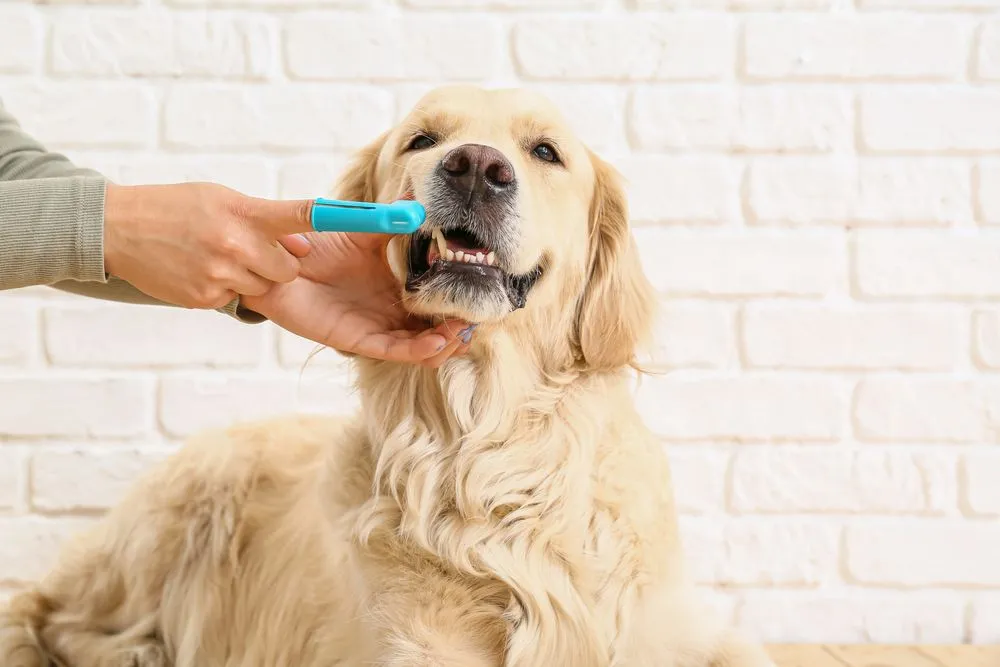
My dog Hank cost me $1,800 at the vet when he was four years old. He had severe dental disease — a condition so common in dogs that most vets see it multiple times a day — that had progressed to the point where three teeth needed extraction. The entire thing was preventable. I just hadn’t known to look.
Dog ownership comes with a significant information gap that most owners only discover the hard way. The vet tells you the diagnosis, and then you learn about the thing you should have been doing for the past three years. Dental disease. Joint wear. Parasite load. Nutritional deficiencies. Most of the serious health problems dogs develop in middle age have preventive roots that begin in puppyhood.
This guide is what I wish I’d had before Hank’s first vet visit. It’s a complete preventive care roadmap — the schedule of what to do and when, the warning signs that mean ‘call the vet today’ versus ‘monitor this week,’ the daily habits that genuinely affect long-term health, and the products that support each part of that system. Whether your dog is a new puppy or a senior, this is the information that prevents expensive problems and extends healthy years.
My name is Dana Holloway. I’ve been writing about pet care for years and have owned dogs my entire adult life. I’m not a veterinarian, and nothing in this guide replaces professional veterinary advice — but everything here is based on current veterinary consensus and my own hard-won experience as a dog owner.
Affiliate note: This guide contains Amazon affiliate links. If you purchase through them, PetGuideClub.com earns a small commission at no cost to you.
The Preventive Care Calendar: What to Do and When
Preventive care isn’t complicated when it’s laid out clearly. Here’s the complete schedule by life stage.
Puppies (8 Weeks to 6 Months)
The puppy period is the most medically intensive phase of a dog’s life. Puppies need a series of vaccines, regular parasite checks, and a spay/neuter procedure — all within a tight window. Missing this schedule has real consequences.
Vaccine series (consult your vet for exact timing, but the general schedule):
- 6–8 weeks: DHPP combination vaccine (distemper, hepatitis, parvovirus, parainfluenza) — first dose
- 10–12 weeks: DHPP second dose; Bordetella (kennel cough) if your dog will be in group settings
- 14–16 weeks: DHPP third dose; Rabies vaccine (required by law in most US states)
- 12–16 weeks: Leptospirosis (recommended if your dog is exposed to wildlife or standing water)
Other puppy health priorities:
- Flea/tick/heartworm prevention: begin monthly prevention at 8 weeks. This is not optional. Heartworm disease is difficult and expensive to treat and preventable with a $10/month chewable.
- Deworming: puppies are almost always born with intestinal parasites from their mother. A fecal test at the first vet visit identifies what’s present; deworming medication clears it.
- Spay/neuter: generally recommended between 4 and 6 months for most breeds, though large breeds may benefit from waiting until 12–18 months for bone and joint development. Discuss timing with your vet.
- Socialization: the window from 3 to 16 weeks is the developmental period where exposure to new things is easiest. Use it. This is health-relevant — dogs that aren’t well-socialized develop stress-related health issues at higher rates.
Adult Dogs (1–7 Years)
Adult dogs are the low-maintenance phase of ownership — relative to puppies and seniors. But ‘low maintenance’ does not mean ‘no maintenance.’ The conditions that cause serious health problems at age 8–10 are building silently during this phase.
Annual vet visit checklist:
- Physical exam — every year, even if the dog seems healthy. Vets catch things owners miss.
- Vaccine boosters — DHPP booster at 1 year, then every 3 years. Rabies per your state law (1 or 3 year depending on vaccine used). Bordetella annually if your dog attends daycare or boarding.
- Heartworm test — annual blood test required before renewing heartworm prevention prescription.
- Fecal test — annual check for intestinal parasites. Doesn’t require symptoms to be positive.
- Dental exam — your vet will grade dental disease on a scale of 0–4. Grade 2 or above typically warrants a professional cleaning.
Monthly maintenance:
- Flea/tick/heartworm prevention: every single month, year-round. Skipping winter months is a common mistake — fleas and ticks are active in temperatures above 40°F.
- Nail trimming: every 3–4 weeks. Long nails change gait mechanics and eventually cause joint stress.
- Ear cleaning: monthly for floppy-eared breeds, every 6–8 weeks for upright-eared breeds.
- Teeth brushing: daily is ideal, three times per week is the minimum for meaningful plaque control.
Senior Dogs (7+ Years, Earlier for Large Breeds)
Large breeds are considered senior at 6–7 years. Small breeds at 8–9 years. The senior phase requires increasing monitoring and more frequent vet visits.
- Vet visits: every 6 months instead of annually. Conditions that are easy to manage when caught early become difficult when they’ve progressed through a full year.
- Blood panel: annual comprehensive blood work screens for kidney disease, liver disease, thyroid problems, and diabetes — all of which are common in seniors and manageable when caught early.
- Joint assessment: discuss NSAID pain management, joint supplements, and mobility aids as appropriate. Visible limping is late-stage joint pain — dogs mask discomfort until it becomes severe.
- Dental care: frequency of professional cleanings typically increases in senior years as accumulated calculus and gum recession progress.
- Weight management: senior dogs have reduced caloric needs and are prone to weight gain that accelerates joint problems. Adjust food quantity as activity level decreases.
The Daily Health Habits That Matter Most
The gap between a dog that lives to 14 in good health and one that spends its last years managing preventable conditions is largely built by daily habits. These are the five that matter most.
1. Dental Care — The Most Neglected Health Issue in Dogs
Periodontal disease affects 80% of dogs over age three. That statistic is staggering, and it’s almost entirely a product of neglect — not intentional neglect, but the kind that comes from not knowing how serious it is.
Dental disease in dogs is not just bad breath. It’s active bacterial infection that can spread to the heart, kidneys, and liver. The connection between untreated dental disease and systemic organ problems is well-documented in veterinary literature. Your dog can’t tell you that its gums hurt; by the time behavior changes, the disease has usually been significant for months.
What actually works:
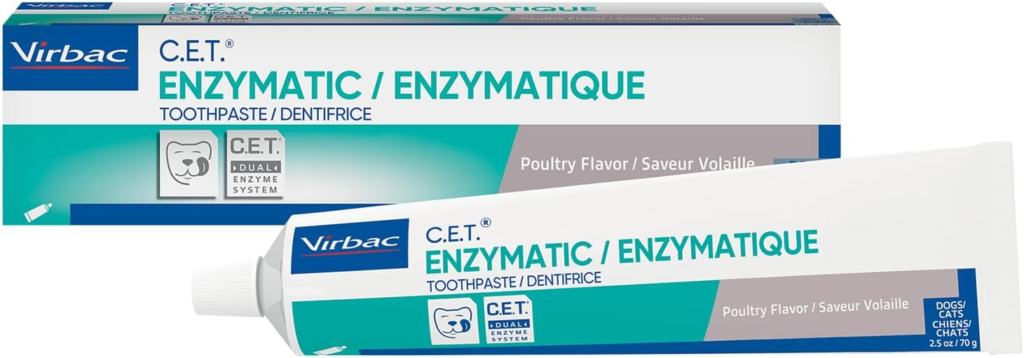
- Daily brushing with a dog-specific toothpaste (NEVER human toothpaste — xylitol and fluoride are toxic to dogs). Even 30 seconds of brushing removes the soft plaque before it hardens into calculus. Hardened calculus can only be removed professionally.
- Dental chews as a supplement to brushing, not a replacement. The mechanical abrasion from chewing reduces surface plaque. Look for the VOHC (Veterinary Oral Health Council) seal — it means the product has been independently tested to actually reduce plaque.
- Water additives: proven minimal effectiveness compared to brushing, but better than nothing if brushing isn’t possible.
🐾 Best dog toothbrush kit: Virbac CET Enzymatic Toothpaste + Toothbrush Kit— Vet-recommended enzymatic formula, poultry flavor most dogs accept. The dental hygiene product I use personally.
Full dental care guide: the $18 toothbrush that ended my dog’s dragon breath in 14 days.
2. Flea, Tick, and Heartworm Prevention — Year-Round Without Exception
The single most common preventable health mistake I see dog owners make is stopping flea/tick/heartworm prevention in winter. Fleas go dormant below 35°F but become active above 40°F — in most of the US, that’s most of the year. Ticks are active in temperatures above freezing. Mosquitoes (heartworm vectors) are seasonal but their window is longer than most people assume.
More importantly: heartworm treatment costs $400–1,500 and requires the dog to be restricted from exercise for months during the kill-off process. Prevention costs about $120/year. The math is not close.
The three main prevention categories:
- Oral chewables (monthly): Nexgard (fleas/ticks), Heartgard (heartworm), or Simparica Trio (all three in one pill). Prescription required — your vet provides these or you use an online vet telehealth service.
- Topical spot-on treatments (monthly): applied to the skin between the shoulder blades. Frontline Plus and K9 Advantix II are the standard OTC options.
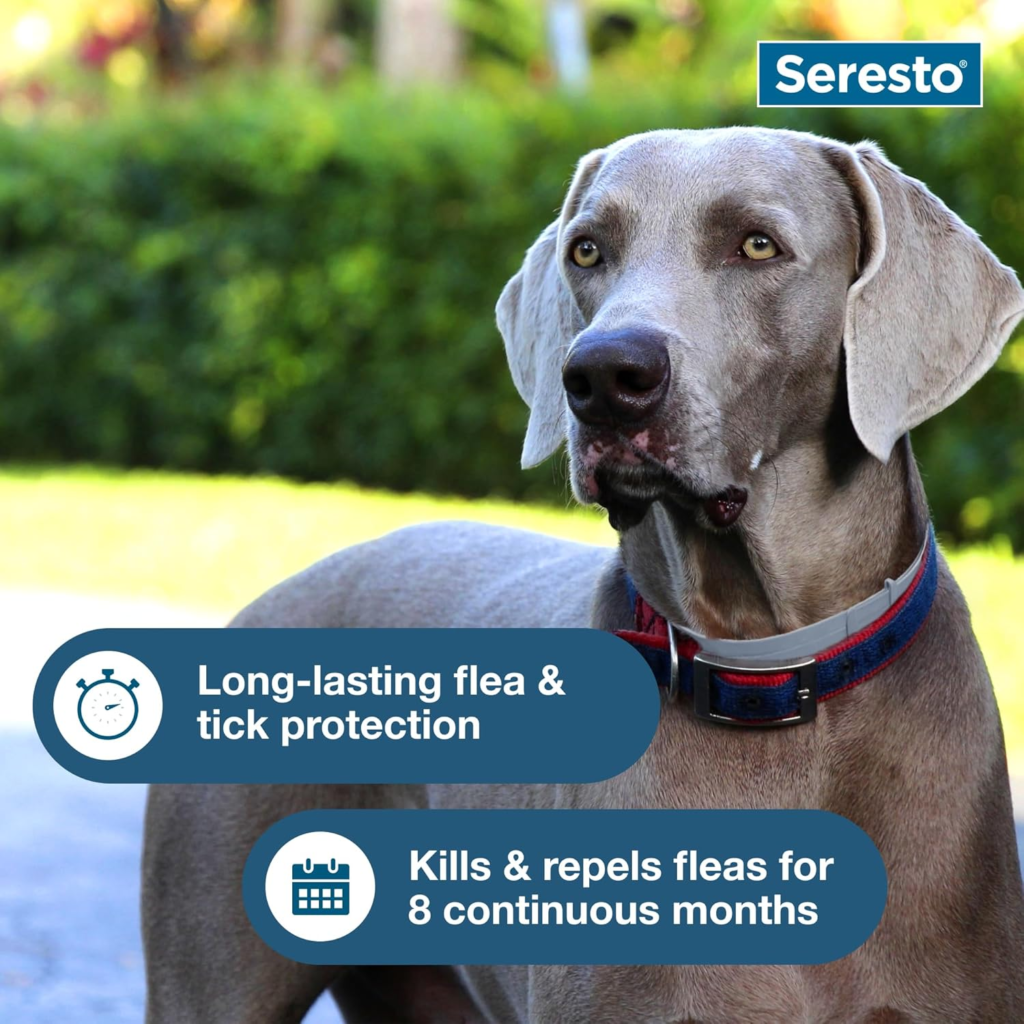
- Collars: the Seresto collar provides 8 months of flea and tick protection. Well-suited for dogs who swim (topicals wash off) or owners who prefer not to manage monthly applications.
🐾 Best flea/tick collar: Seresto 8-Month Flea and Tick Collar— 8 months of protection, water-resistant, approved for dogs over 7 weeks. The most convenient prevention option.
Full review: the $59 flea and tick collar that kept my dog bite-free all summer.
3. Joint Health — Starting Earlier Than You Think
Joint disease in dogs has a strong genetic component, but the expression of that genetics is heavily influenced by weight, exercise type, surface impact, and early-life care. A dog predisposed to hip dysplasia that maintains healthy weight and avoids high-impact jumping throughout puppyhood will have meaningfully better joint outcomes than the same genetic dog who was overweight and spent puppyhood jumping off furniture.
The preventive measures that actually matter:
- Weight management: every pound of excess weight adds 3–4 pounds of force to joints on each step. Keeping your dog at their ideal weight is the single most impactful joint health intervention available.
- Ramp training for car access: jumping into SUVs and trucks is high-impact and cumulative. A ramp eliminates this entirely. Start before problems appear.
- Avoid repetitive high-impact landing: ball-throwing sessions where the dog launches and lands repeatedly on hard surfaces accumulate joint damage over years.
- Omega-3 fatty acids: fish oil supplementation has solid evidence for anti-inflammatory effects in dogs with joint disease. Consult your vet for appropriate dosing.
- Orthopedic bedding: a dog that sleeps on a hard floor is developing pressure points on joints and hips for 12+ hours per day. Orthopedic foam makes a measurable difference in comfort and mobility in dogs over 5 years old.
🐾 Best orthopedic bed for large breeds: Big Barker Orthopedic Dog Bed— Clinically proven to reduce joint pain and improve mobility. The orthopedic bed recommended by veterinary orthopedic surgeons.
Full review: the orthopedic dog bed that fixed my senior dog’s hip pain overnight.

🐾 Best dog ramp for car access: PetSafe Happy Ride Deluxe Telescoping Dog Ramp — Adjustable length, non-slip surface, supports up to 200 lbs. The ramp I recommend for large breeds after age 5.
4. Nutrition — What’s Actually Worth Caring About
Dog nutrition is a topic with a lot of noise and relatively little settled science at the consumer level. Here’s what’s actually evidence-based:
- Feed an AAFCO-compliant food: the Association of American Feed Control Officials (AAFCO) sets minimum nutritional standards. Any dog food that says ‘complete and balanced’ and lists an AAFCO nutritional adequacy statement meets baseline requirements.
- Life stage matters: puppy formulas have higher caloric density and different calcium:phosphorus ratios than adult formulas. Large breed puppy formulas specifically are different from standard puppy food — large breeds need controlled calcium during bone development.
- Grain-free is not better: the FDA has been investigating a potential link between grain-free diets and dilated cardiomyopathy (DCM) in dogs. Until the science is clearer, standard recommendations favor grain-inclusive diets from reputable manufacturers.
- Protein source matters less than digestibility: the PDCAAS (protein digestibility-corrected amino acid score) is the relevant metric, which most consumers don’t have access to. Stick with major manufacturers with transparency in their sourcing and testing.
- Treats shouldn’t exceed 10% of daily caloric intake: the most common cause of canine obesity is overfeeding treats without adjusting meals.
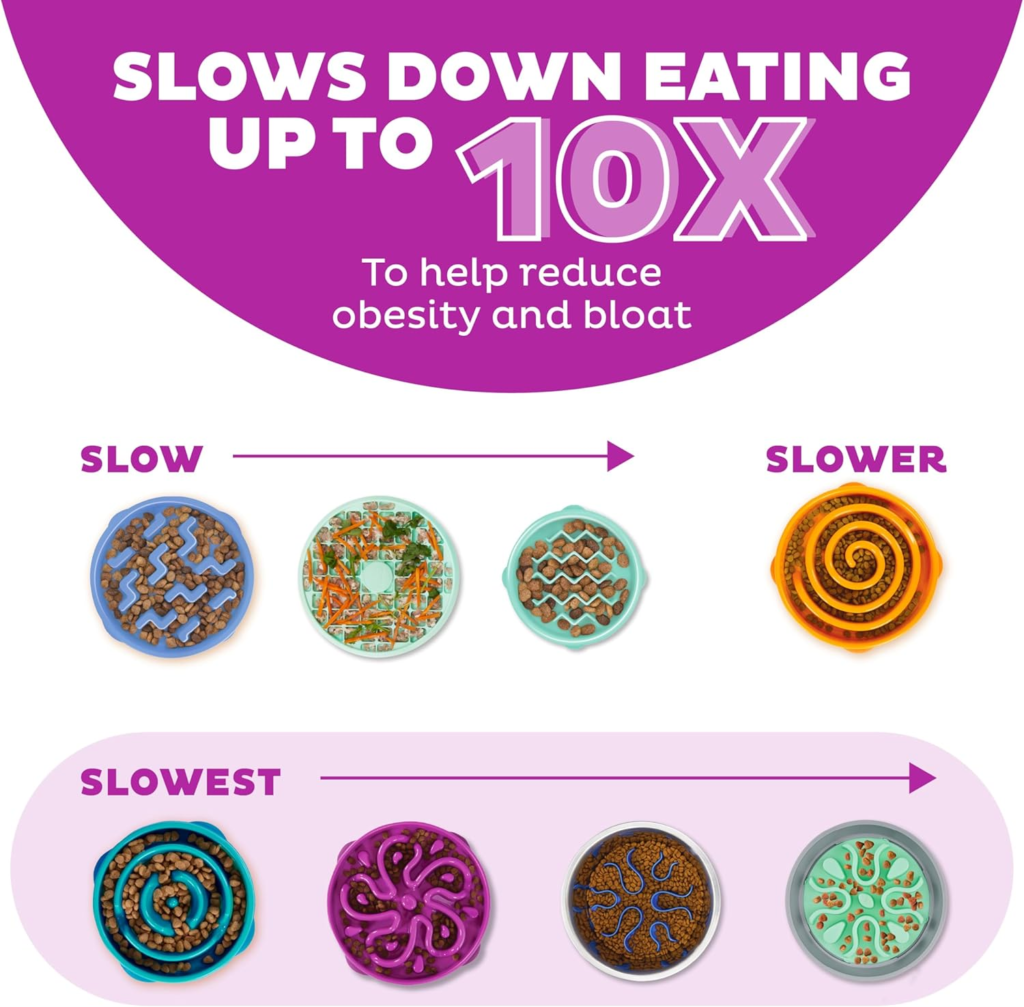
Feeding frequency: twice daily is standard for adult dogs. Once daily feeding is associated with higher rates of bloat (GDV) in large, deep-chested breeds — avoid it for those dogs specifically.
🐾 Best slow feeder bowl (reduces bloat risk): Outward Hound Fun Feeder Slo Bowl— Maze design slows eating speed by 10x, reduces gulping, dishwasher safe.
Full review: the $13 slow feeder bowl that stopped my dog from throwing up after every meal.
5. Mental Health and Behavioral Wellbeing
Stress in dogs is a health issue, not just a behavioral one. Chronic anxiety elevates cortisol, suppresses the immune system, and is associated with gastrointestinal problems, skin conditions, and shortened lifespan in veterinary research. The connection between mental wellbeing and physical health in dogs is well-established.
- Adequate daily exercise: under-exercised dogs are more anxious, more destructive, and more likely to develop stress-related physical symptoms. 30 minutes of actual exercise (not just a potty break) is the minimum for most breeds.
- Mental stimulation: food puzzles, training sessions, and scent work tire dogs out at least as effectively as physical exercise. A 20-minute training session produces calmer behavior than a 45-minute walk for most dogs.
- Predictable routine: dogs are strongly routine-driven. Consistent feeding times, consistent walk times, and consistent sleep environments reduce baseline anxiety.
🐾 Best puzzle feeder for mental stimulation: Outward Hound by Nina Ottosson Dog Smart Treat Puzzle Enrichment Toy — Intermediate difficulty, durable, efficient. 20–30 minutes of engaged problem-solving per session.
For anxiety specifically: the $35 calming treats that stopped my dog’s thunderstorm panic in 12 minutes.
Warning Signs: When to Call the Vet vs. Monitor at Home
One of the hardest judgment calls in dog ownership is knowing when something is serious enough to warrant a same-day vet call versus watchful waiting. Here’s the framework I use.
Call the Vet or Go to Emergency Immediately
- Difficulty breathing — any labored, rapid, or shallow breathing
- Bloated, distended abdomen — especially in large, deep-chested breeds (potential GDV)
- Collapse or inability to stand
- Seizures lasting more than 2 minutes, or multiple seizures in 24 hours
- Suspected ingestion of toxic substances — chocolate, xylitol, grapes, raisins, onions, medications
- Trauma — hit by car, fall from height, altercation with a larger animal
- Urinary straining with no output (especially in male dogs) — potential life-threatening blockage
- Pale, white, blue, or gray gums
- Eye injuries or sudden vision changes
- Bloody urine or stool with lethargy or vomiting
Call the Vet Within 24–48 Hours
- Vomiting or diarrhea more than 2–3 times in 24 hours
- Loss of appetite for more than 24 hours (more urgent in puppies)
- Limping that doesn’t resolve within a day
- Excessive drinking and urination (potential diabetes or kidney disease)
- Lumps or masses that appear suddenly or change quickly
- Scratching or biting at ears — potential infection
- Eye discharge, squinting, or cloudiness
- Mild lethargy lasting more than 48 hours
Monitor for a Few Days
- Single episode of vomiting without other symptoms
- Mild, occasional loose stool with normal behavior and appetite
- Mild scratching without skin changes
- Minor cuts or scrapes not near the eyes or joints
- Sneezing or mild nasal discharge without lethargy or fever
When in doubt: call your vet’s office and describe what you’re seeing. Most practices have a triage line or can advise over the phone whether something warrants a visit. This is a better outcome than either panicking unnecessarily or waiting too long. They will always tell you honestly if you should come in or monitor at home.
The Home Health Check: A 2-Minute Weekly Routine
You are your dog’s primary health monitor between vet visits. A quick weekly hands-on check catches things early and also maintains your dog’s tolerance for handling — which makes vet exams dramatically easier.
Run through this every week:
- Eyes — clear, no discharge, symmetric pupils, no cloudiness
- Ears — clean inside (pale pink, slight waxy odor is normal; brown discharge or strong smell = vet call), no head shaking or pawing
- Teeth and gums — gums should be pink and moist, not white, yellow, or blue. Check teeth for obvious tartar (yellowish-brown buildup at the gumline)
- Coat and skin — no bald patches, no red inflamed areas, no lumps you didn’t feel last week, no flea dirt (black specks at the base of hair near the tail and belly)
- Nails — should not click on hard floors. If you can hear them walking, they’re too long
- Weight check — run your hands along the ribcage. You should be able to feel individual ribs without pressing hard, but not see them prominently
- Movement — watch them walk and trot briefly. Any favoring, stiffness after rest, or reluctance to use stairs warrants attention
Note anything that’s changed from the previous week. A single changed item is often nothing; a changed item that persists across two weekly checks is worth a call.
The Vet Visit Checklist: Getting the Most From Every Appointment
Most people walk into vet appointments with a vague sense of what they want to discuss and walk out feeling like they forgot half of it. Preparing a written list before every appointment changes this.
For routine annual/biannual visits, bring:
- A list of any behavioral changes in the past year — even subtle ones like drinking more, sleeping more, or less interest in play
- Current medications and supplements with dosages
- A stool sample in a clean container (call ahead to confirm they want one)
- Questions about the next year’s care calendar — vaccines due, timing of bloodwork, dental cleaning schedule
Questions worth asking at every visit:
- Is their weight appropriate for their frame?
- How would you grade their dental health today?
- Any signs of joint disease I should be monitoring?
- Is there anything you’re seeing today that I should watch at home?
- When should I schedule their next bloodwork panel?
One thing I’ve learned: vets are busy and often reactive to presenting problems. They may not proactively bring up preventive care topics unless you ask. Asking the questions above ensures the conversation covers the full picture, not just what the dog walked in for.
Health Products That Are Worth the Money (and Those That Aren’t)
The pet product industry is enormous and includes a lot of items that sound health-related but provide minimal benefit. Here’s my honest breakdown.
Worth buying:
- Orthopedic dog bed — measurable impact on joint health and sleep quality, especially in dogs over 5
- Dog toothbrush and enzymatic toothpaste — the only thing that prevents dental disease between professional cleanings
- Pet first aid kit — not because you’ll use it often, but because when you need it you need it immediately
- GPS tracker — the peace of mind value alone justifies the cost for dogs that escape
- Slow feeder bowl — for any dog that eats quickly, especially deep-chested breeds
🐾 Best pet first aid kit: ARCA Pet First Aid Kit— 30-piece kit with gauze, bandages, antiseptic wipes, saline solution, and a first aid guide. Under $30.
Full review: the pet first aid kit that prepared me for every emergency.
🐾 Best GPS tracker: Tractive GPS Dog Tracker — Real-time tracking with no distance limit, live map, activity monitoring, waterproof. Subscription required ($5–8/month).
Full review: the $69 GPS tracker that found my dog 4 miles away in 18 minutes.
Skip or use cautiously:
- Most probiotic supplements — limited evidence for healthy adult dogs. Useful during antibiotic treatment or GI disturbance; not routine maintenance.
- Grain-free foods marketed as premium — see the FDA investigation note above. Not proven to be healthier than grain-inclusive.
- Most joint supplements under age 5 — glucosamine/chondroitin has evidence in dogs with existing joint disease, modest evidence as prevention. Not harmful, but money better spent on weight management for young dogs.
- “Natural” flea prevention (essential oils, diatomaceous earth, etc.) — none have clinical evidence of efficacy comparable to approved preventives and some essential oils are toxic to dogs.
FAQ: Preventive Care For Dogs – Your Most Common Questions Answered
Q: How much does preventive care for a dog actually cost per year? A: For a healthy adult dog, expect to budget $500–$1,500 annually for routine preventive care, depending on size, breed, location, and specific needs. This typically includes annual or semi-annual vet exams ($65–$250), heartworm/flea/tick prevention ($120–$300), vaccines/boosters, fecal tests, and basic dental maintenance. The good news? This is far less expensive than treating advanced issues—like the $1,800 dental bill Hank needed. Consistent prevention almost always saves money in the long run.
Q: How often should I take my dog to the vet for preventive care? A: Puppies need frequent visits (every 3–4 weeks until 16 weeks for vaccines and checks). Healthy adult dogs (1–7 years) should go at least once a year. Senior dogs (7+ years, or earlier for large breeds) benefit from visits every 6 months. These wellness exams catch silent problems early and let you update your preventive calendar.
Q: Is year-round flea, tick, and heartworm prevention really necessary? A: Yes. In most parts of the US, fleas and ticks remain active above 40°F, and mosquitoes (which transmit heartworm) can be present for much of the year. Skipping winter months is one of the most common mistakes owners make. Prevention costs about $10–$25 per month but protects against expensive, painful treatments that can run $400–$1,500+ and require months of restricted activity.
Q: How important is daily teeth brushing, and what if my dog hates it? A: Extremely important—periodontal disease affects about 80% of dogs over age three and can lead to heart, kidney, and liver problems. Daily brushing (even 30 seconds) with dog-safe enzymatic toothpaste is ideal because it removes soft plaque before it hardens. If brushing is difficult, combine it with VOHC-approved dental chews and regular professional cleanings. Starting early in puppyhood makes it easier as they age.
Q: When should I start thinking about joint health and senior care? A: Earlier than most people realize—ideally during the adult years (1–7). Maintaining ideal weight, using ramps for cars, providing orthopedic bedding, and adding omega-3s can significantly slow joint wear, especially in large breeds or dogs with genetic predispositions. Large breeds often enter the senior stage at 6–7 years and benefit from more frequent vet visits and bloodwork starting then.
Q: Are grain-free dog foods better for my dog? A: Current veterinary consensus and FDA investigations suggest grain-inclusive diets from reputable, AAFCO-compliant brands are generally the safer choice for most dogs. Grain-free diets have been linked to a potential increased risk of dilated cardiomyopathy (DCM) in some cases. Focus on digestibility, life-stage appropriateness, and controlled portions rather than marketing claims.
Q: What’s the best way to know if something is a real emergency versus something I can monitor? A: Use the framework in this guide: difficulty breathing, collapse, seizures, suspected toxin ingestion, bloated abdomen, pale gums, or urinary blockage mean go to emergency immediately. Repeated vomiting/diarrhea, sudden limping, excessive thirst, or new lumps warrant a vet call within 24–48 hours. When in doubt, call your vet’s office—they’d rather triage over the phone than have you wait too long.
Q: Do I really need all the recommended products, or can I skip some? A: Prioritize the high-impact basics first: year-round parasite prevention, a good toothbrush/toothpaste kit, orthopedic bedding (especially for seniors), and a slow feeder if your dog gulps food. Items like GPS trackers or pet first aid kits add peace of mind. Skip or use cautiously things with weak evidence, such as most “natural” flea preventives or routine probiotics in healthy dogs. The products highlighted in this guide are the ones with the strongest real-world and veterinary backing.
Q: Can following this preventive roadmap really extend my dog’s healthy years? A: Yes. Many of the serious conditions that appear in middle age or senior years (dental disease, joint degeneration, organ issues from undetected parasites or nutrition gaps) have roots in preventable habits started in puppyhood. Owners who stay consistent with the calendar, daily habits, and early monitoring often report fewer emergencies, lower vet costs, and better quality of life in their dog’s later years—just like Hank at age eleven.
Final Thoughts from Dana
Hank is eleven now. He had his third professional dental cleaning last year, his joints are managed with fish oil and an orthopedic bed, and he’s on monthly prevention without exception. His vet described him at his last checkup as ‘remarkably healthy for his age.’
I don’t take any credit for remarkable. I take credit for following a system — the same system outlined in this guide — consistently for years. Preventive dog health isn’t complicated. It’s just consistent. Annual vet visits, monthly prevention, daily dental care, weekly health checks, appropriate weight, and knowing what warning signs to take seriously.
The $1,800 dental bill was painful and educational. I’ve spent far less than that on preventive care in the seven years since, and Hank’s health has been better in every measurable way. That’s the return on following a system.
The best vet visit is the one where nothing is wrong — and that happens because of what you do every day.
This guide contains Amazon affiliate links. If you purchase through them, PetGuideClub.com earns a small commission at no extra cost to you. This guide is for informational purposes and does not replace veterinary medical advice. Always consult your veterinarian for health concerns specific to your dog.